A termite inspection checks a building's exterior, interior, attic and crawl space for drywood and subterranean termites, termite damage and conditions that attract them. Xtermco records what we find on Hawaiʻi's official Termite Inspection Report (TIR) and usually sends the signed report to you and escrow within 24 to 48 hours.
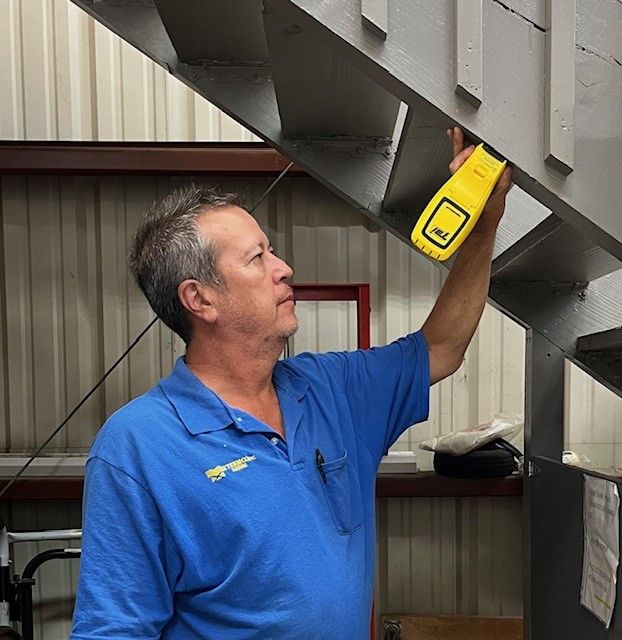
What does a termite inspection on Oʻahu cover?
Hawaiʻi sets minimum standards for every termite inspection that ends in a TIR. Only a pest control operator licensed in the fumigation (BR-1) or termite (BR-3) branch can sign the report, and the inspector has to start by asking about past termite activity and treatment. In a sale, that includes the seller's disclosure statement (HAR §16-94-73).
The inspector then checks four parts of the building:
1
Exterior
The outside of every structure for visible evidence and conditions that invite termites.
2
Crawl space
If it can be reached, the underside of the house, posts, piers and floor framing.
3
Interior
Baseboards, door frames, window frames and other wood trim, tapped and probed where damage is suspected.
4
Attic
If accessible, the roof framing and attic space for drywood activity and moisture.
Signs of termites we look for
Wood that looks suspect is tapped and probed. The state standard lists the evidence an inspector looks for (HAR §16-94-73):
- Fecal droppings (pellets) from drywood termites
- Kick-out holes in wood
- Mud tubes built by subterranean termites
- Patching or cosmetic repair on wood surfaces
On Oʻahu that usually means one of two termites. Drywood termites live inside the wood and push pellets out of small holes. Formosan subterranean termites nest in the soil and build mud tubes into buildings; UH CTAHR calls them the most damaging insect pest to homes in Hawaiʻi, with colonies of 2 to 10 million. The inspector also notes conditions that invite termites, such as earth-to-wood contact, a leaking or damaged roof, wood debris in the crawl space and excess moisture (PC-9 form).
What an inspection can't see
A termite inspection is visual. It covers areas the inspector can reach, and anything obstructed, enclosed or concealed is listed on the report as not inspected, with the reason. Typical examples are fixed ceilings, the inside of walls, areas under floor and wall coverings, cabinets, furniture and stored belongings, and crawl spaces too low to enter (HAR §16-94-70, PC-9 form). The report isn't a warranty and doesn't judge structural soundness or repair costs; if damage is found, a contractor or engineer may need to look further (PC-9 form).
What is in a Termite Inspection Report (TIR)?
A TIR is the Hawaiʻi Pest Control Board's PC-9 form, completed and signed by a licensed pest control operator, with a diagram of the structure. Escrow companies and lenders use it to see whether termites were visible when the property was inspected.
Hawaiʻi law and the Board's form require the report to show (HRS §460J-19, PC-9 form):
- Realtor or escrow company, escrow number and the date the report was prepared
- The inspection date, the inspector's name and the licensee's PCO license number and branch (BR-1 fumigation or BR-3 termite)
- Who ordered the inspection, the property address, and the seller's and buyer's names
- The date and source of the last termite treatment, and whether the seller's disclosure statement was received
- A general description of the buildings inspected
- Areas that were obstructed or concealed, and why they couldn't be inspected
- Whether visible evidence of termites was found, whether it was drywood or subterranean, and where
- Recommendations for treatment, and any conditions that could lead to future infestation
- Who received copies: realtor or escrow, owner or seller, and purchaser
- A diagram of the structure showing the areas inspected and where evidence was found
Every TIR must include treatment recommendations (HAR §16-94-71). The form also confirms that neither the company nor the inspector has a financial interest in the property or a connection to any party in the sale.
What the report looks like
The TIR is a four-page form. Page 1 holds the escrow, property, party and license details and the scope of the inspection. Page 2 lists the areas inspected and any that were concealed, and records whether visible evidence of drywood or subterranean termites was found. Page 3 gives the recommendations, conducive conditions and who received copies, with the licensee's signature. Page 4 is the diagram of the structure, marked with where evidence was found.
How long is a TIR good for? The form states that its information is considered reliable for not more than 15 days after the inspection (PC-9 form). Book the inspection close to your closing date, and plan for an updated inspection if escrow slips. For a step-by-step look at TIRs in a sale, read our guide to termite inspections for Oʻahu real estate.
Who orders a TIR, and who gets a copy?
In most Oʻahu sales the purchase contract decides who orders and pays for the termite inspection. It's often the seller, sometimes the buyer, and the request usually comes through the listing agent or the escrow officer. Lenders may make a clean report, or completed treatment, a condition of the loan. If you're using a VA or other government-backed loan, ask your lender early which report it needs and by when.
The TIR records the name of the person who ordered it and every party in interest who should get certified copies of the report and any completion notices (HRS §460J-19). On the form, copies go to the realtor or escrow, the owner or seller, and the purchaser (PC-9 form).
How long does a termite inspection take, and when do I get the report?
Most homes take one visit. Time on site depends on the size of the building, how many structures are on the lot, and how easy the attic and crawl space are to reach. We usually send the signed TIR within 24 to 48 hours of the inspection. If your closing date is close, tell us when you book so we can schedule around it.
What happens if termites are found?
The report shows whether the activity is drywood or subterranean, where it is and what treatment is recommended. Under Hawaiʻi law, termite treatment can't start until there's a written inspection report and a written estimate approved by the person requesting the work (HRS §460J-19). The usual options are:
- Termite tenting for drywood termites spread through the building.
- Sentricon baiting for Formosan and other subterranean termites coming from the soil.
- Localized treatment for drywood activity confined to one spot, such as a door frame.
Re-inspection and completion
After treatment, the completion notice goes to the same parties in interest listed on the report (HRS §460J-19). If damaged wood is repaired or a treatment is finished before closing, we can re-inspect so escrow has current paperwork. For ongoing protection, a control service agreement covers regular re-inspections after the original report (HRS §460J-19). See every option on our termite control page.
For realtors and escrow officers: how to book a TIR
Our TIR request form collects everything we need for the report in one step. Here's how it works:
1
Send the TIR request
Fill in our online TIR request form with the escrow company, escrow officer and number, closing date, buyer and seller names, property address and type.
2
Give us access details
Tell us whether the property is vacant, the lockbox code, where to park and any tenant contact, so we can get in on the first visit.
3
Share the termite history
Add the last treatment date, type and company, and whether a seller's disclosure statement will be provided. Hawaiʻi's inspection standards require us to ask for it.
4
We inspect
A licensed inspector checks the exterior, interior, attic and crawl space and draws a diagram of the structure.
5
You get the signed TIR
We send the report to escrow, the realtor, the seller and the buyer, as listed on the request.
Help the inspection go smoothly
- Clear the attic hatch and crawl space openings so the inspector can get in.
- Move stored items away from garage walls and the base of interior walls where you can.
- Make sure the lockbox code, gate codes and parking instructions are on the request.
- Tell tenants the date and time, and secure pets.
- Have past termite treatment paperwork and the seller's disclosure statement ready.
Areas we can't reach have to be listed as not inspected, so clear access means a more complete report for everyone in the sale.
Termite inspections for homeowners
You don't have to be selling to book an inspection. If you've seen pellets on a windowsill, mud tubes on a foundation wall or swarmers around lights, an inspection tells you which termite you have and where. We recommend a yearly check for Oʻahu homes, and an inspection is the first step before any treatment. Homes with Sentricon get their stations serviced every year.
Why choose Xtermco for termite inspections on Oʻahu?
- Termite work since 1964. Xtermco started in 1961 and added termite treatment and fumigation in 1964.
- Licensed. Hawaii pest control operator license PCO-201.
- Local inspectors based in Waipahu, covering Honolulu, Pearl City, Kapolei, ʻEwa, Mililani, Kailua, Kāneʻohe and the rest of Oʻahu.
- Inspection to treatment. TIRs, tenting, Sentricon and localized treatment from one company, so escrow gets the report and the completion paperwork from the same place.
- BBB-accredited since 1982, rated A+.
Termite inspection FAQs
How long is a termite inspection report valid in Hawaii?
Hawaiʻi's official TIR form says the information is considered reliable for not more than 15 days after the inspection date. Because of that, most sellers and agents schedule the inspection close to the closing date. If escrow is delayed past that window, ask your agent or escrow officer whether an updated inspection is needed.
What does a Termite Inspection Report (TIR) include?
The TIR is the Pest Control Board's PC-9 form. It lists the escrow details, inspection date, inspector and license numbers, property and parties, the last treatment date, areas that couldn't be inspected, whether drywood or subterranean termites were seen and where, treatment recommendations, conditions that invite termites, and a diagram of the structure.
Who orders the termite inspection when a home is sold?
Whoever the purchase contract names: often the seller, sometimes the buyer, and the order usually comes through the realtor or escrow officer. The TIR records who ordered it and who receives copies, including escrow, the seller and the buyer. If you're using a VA or other government-backed loan, ask your lender early which report it needs and by when.
How much does a termite inspection cost on Oʻahu?
It depends on the size and type of the property, how many buildings are on it, and whether it's a real estate TIR or a routine check. Call (808) 591-2922 or send a TIR request and we'll confirm the fee before we schedule. If termites are found, treatment is quoted separately in writing.
How do I prepare for a termite inspection?
Make sure the inspector can reach the attic hatch, the crawl space and the base of the walls. Move stored items away from garage walls, put the lockbox, gate and parking details on the request, tell any tenants, and have past treatment paperwork and the seller's disclosure statement ready. Areas that can't be reached are listed as not inspected.
What happens if the inspector finds termites?
The TIR shows whether the termites are drywood or subterranean, where they were found and what treatment is recommended. Hawaiʻi law requires a written report and an estimate approved by the person requesting the work before termite treatment starts. Treatment may be tenting, Sentricon or a localized treatment, and a completion notice goes to the parties listed on the report.
Does a termite inspection guarantee there are no termites?
No. Hawaiʻi law says there are no guarantees or warranties on a written inspection report, and the inspector isn't responsible for termites that weren't visible at the time. The inspection is visual and covers accessible areas only, so walls, floor coverings and stored items can hide activity. The report lists those areas.
How often should I get a termite inspection if I'm not selling?
We recommend a termite inspection once a year. Formosan subterranean termites, which UH calls the most damaging insect pest to homes in Hawaiʻi, can live in colonies of millions, and drywood termites work hidden inside wood. A yearly check catches activity before it spreads, and Sentricon customers get their stations serviced every year.
Book a termite inspection
Have these ready and we can schedule on the first call:
- Property address and type
- Closing date and escrow number
- Access: lockbox, gate code, parking, tenant contact